


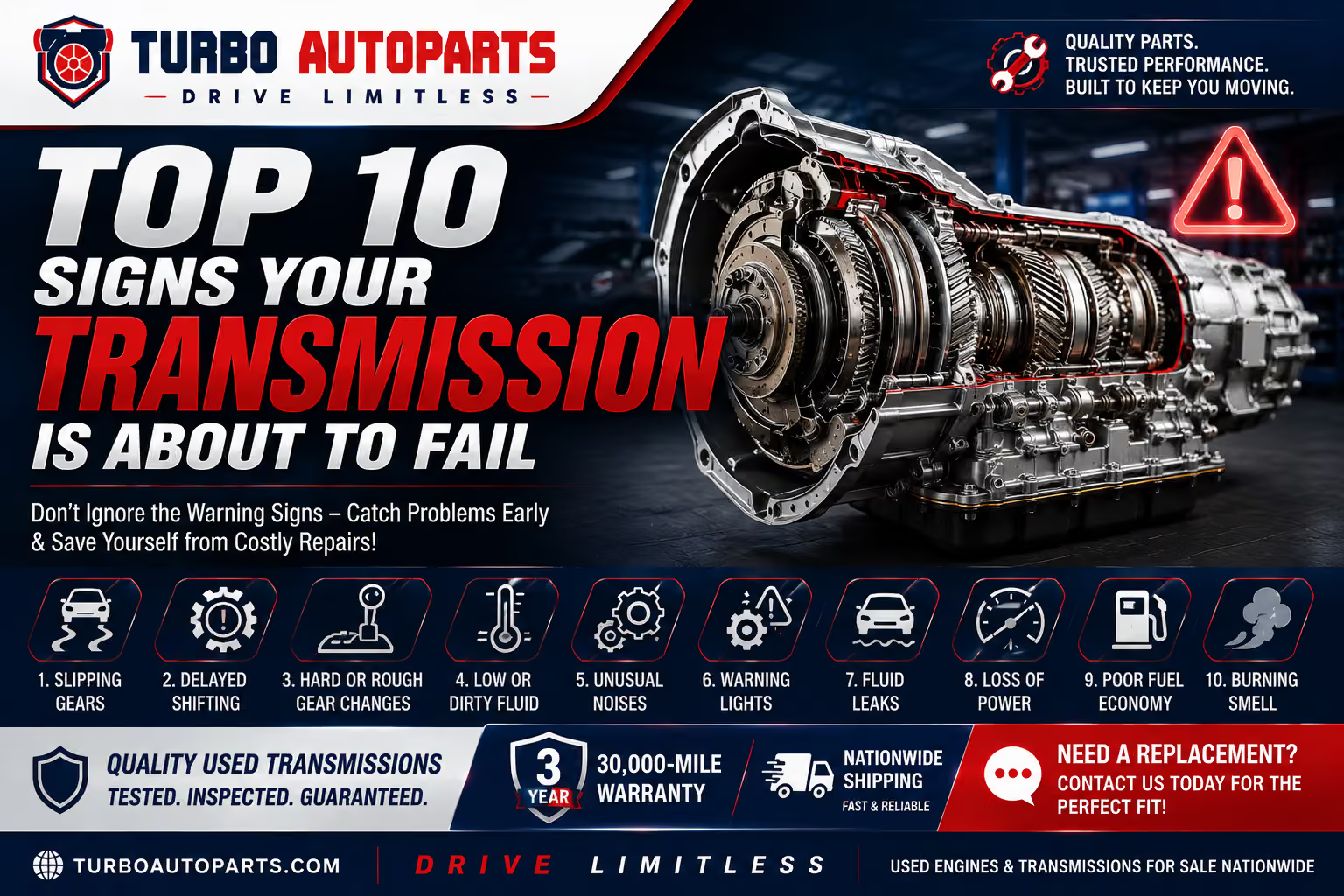
Transmissions rarely die suddenly. They send warnings — sometimes for weeks, sometimes for months. The drivers who pay attention save thousands. Here’s what to watch for, and what each sign actually means.
1. Delayed engagement. You shift into drive, count “one Mississippi,” and then the gear catches. Worn clutch packs or low fluid pressure are the usual suspects. Fix it early and it’s a fluid service. Ignore it and it’s a rebuild.
2. Rough or harsh shifting. A bang or jerk into gear means the transmission is compensating — often for a failing sensor or solenoid, sometimes for something worse. A scan will tell you which.
3. Slipping. The engine revs climb but the vehicle doesn’t accelerate. This is the classic symptom of worn friction material. Every mile driven slipping destroys more clutch surface.
4. Fluid on the driveway. Red or brown puddles under the middle of the car mean a seal, gasket, or cooler line. Simple fix — but low fluid from a slow leak causes the expensive damage.
5. Burning smell. Overheated transmission fluid smells distinctive. Towing, heavy loads, or a failing cooler causes it — and heat kills transmissions faster than anything else.
6. Dark, gritty fluid. Healthy fluid is red and smells slightly sweet. Brown, black, or gritty fluid means the friction material is already wearing into the oil. A fluid change now is cheap insurance.
7. Grinding or whining in neutral. Bearing wear inside the transmission, usually. It rarely gets better on its own.
8. Shuddering at speed. A vibration that feels like driving over rumble strips, often at a steady speed on the highway, points to the torque converter or lockup clutch.
9. Pulling to one side. If the vehicle drifts during gear changes, suspect a sticking valve or a hydraulic issue — or, on manuals, a dragging clutch.
10. Warning lights. Modern transmissions flag problems before you feel them. A transmission or check-engine light deserves a scan, not a shrug.
What to Do
For every one of these, the answer is the same: diagnose early. Most transmission failures start as small, fixable problems — a sensor, a seal, a fluid service. Caught at that stage, you’re looking at hundreds. Caught after the failure, you’re looking at thousands.
Two things to never do: never ignore a warning sign, and never let a shop quote a rebuild without a documented diagnosis. Ask for the scan results, the fluid analysis, and the evidence. A trustworthy shop shows you what’s wrong before quoting to fix it.
The Bottom Line
Your transmission talks to you before it fails. The drivers who listen are the ones who never pay for a rebuild.